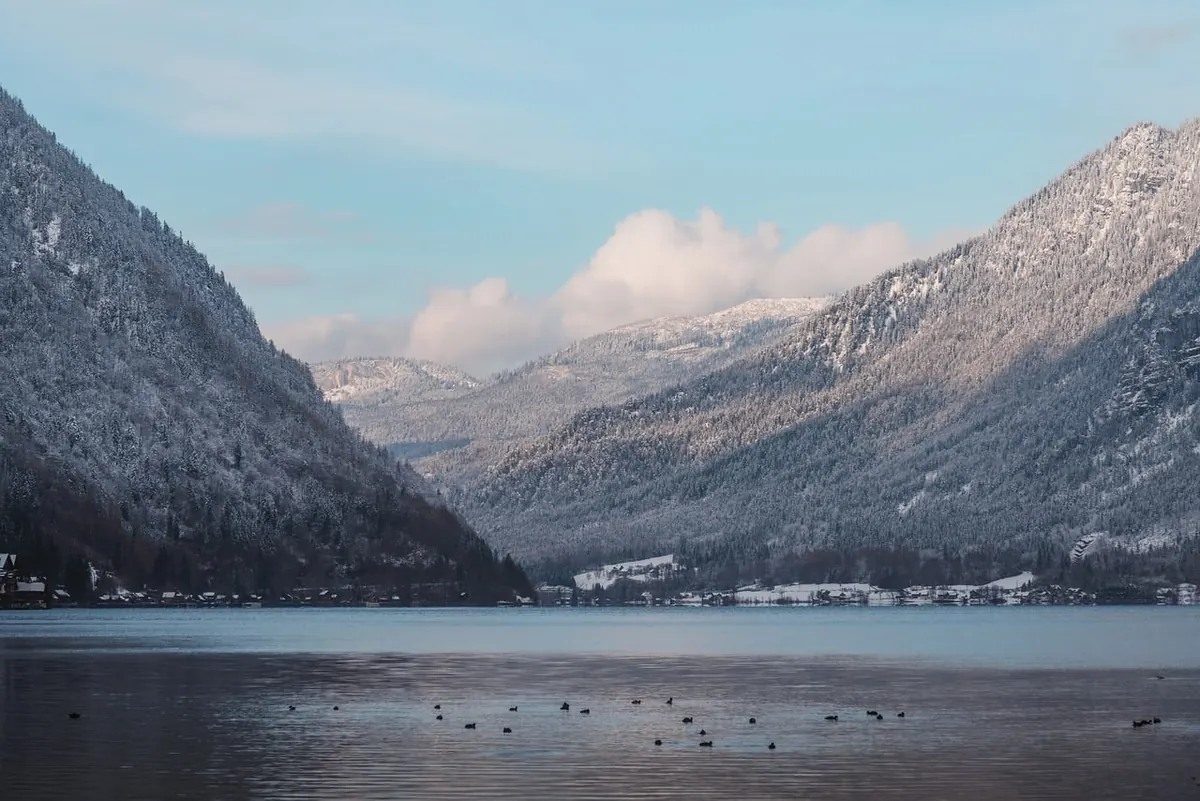

The best wildlife encounter of your year can happen twenty minutes from a car park. The British coast holds puffin colonies, seabird cities, haul-outs of grey and harbour seals, and wintering waders that gather in numbers you would not believe from a photograph. None of it needs a hide, a guide or a permit. It needs timing, a little fieldcraft, and the patience to sit still for longer than feels natural.
Know your cast before you go
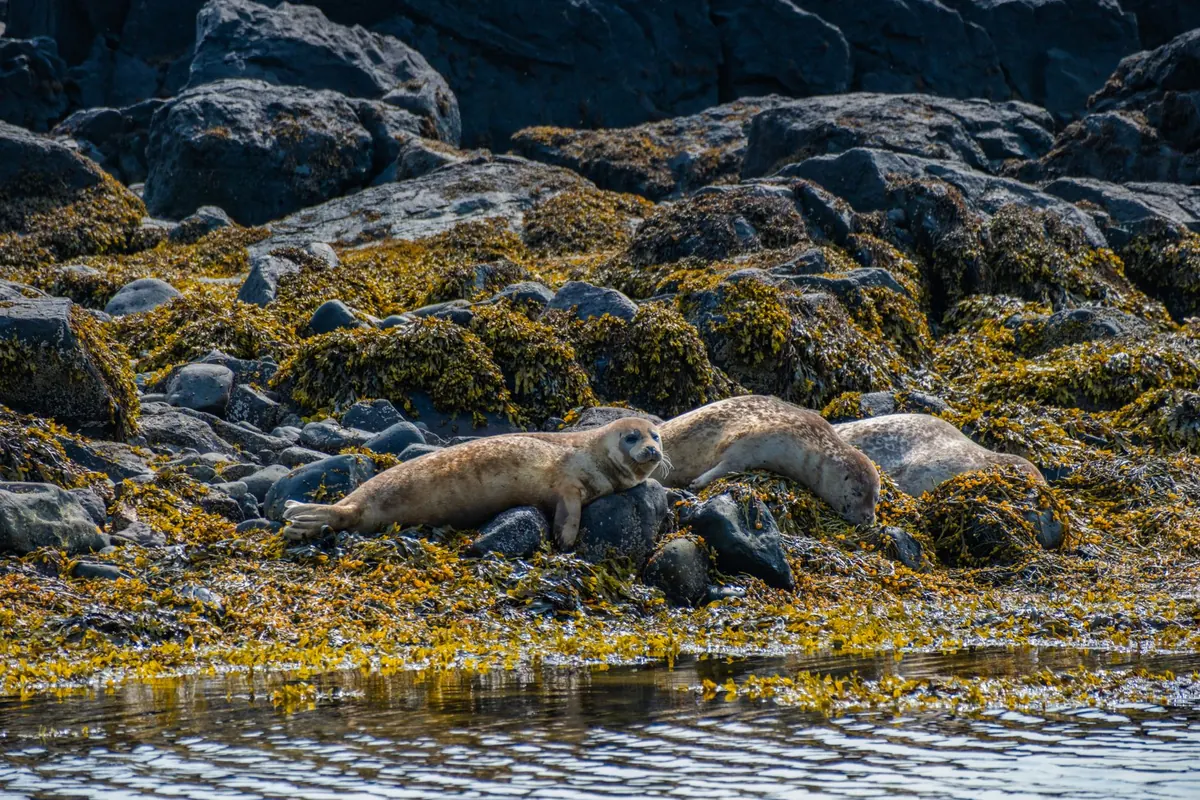
Grey seals are the larger of our two resident species and, seen side-on, have a heavy Roman-nosed profile. Harbour seals look rounder in the head and often rest in a banana pose on the sandbanks, head and tail lifted while the middle sags into the mud. Grey seal pups appear in the autumn, harbour seal pups in early summer, though the dates shift around the coast.
Seabirds
Puffins are on the cliffs from roughly April to July, then out at sea for the rest of the year. Look for a small black-and-white bird with a fast, triangular wingbeat, whirring low over the water, often in loose lines. Guillemots and razorbills crowd the ledges, kittiwakes call their own name from the narrowest nest sites, and gannets hang and plunge off the bigger headlands.
When the puffins leave, the coast does not empty. Winter brings oystercatchers, turnstones, dunlin and curlew to the estuaries, divers and grebes offshore, and brent geese to the mudflats. Winter birding is colder and quieter, and often better for a beginner: the birds have to keep feeding, and there are far fewer people about.
Work with the tide, not against it
Everything on the coast runs to the tide, and a tide table is the most useful thing you can print before a trip. At low water, sandbanks and rocks appear, hauled-out seals have somewhere to rest, and waders spread across freshly uncovered mud. As the tide rises, seals slip back into the water and birds are pushed up towards the cliffs, which can bring them within easy range of a clifftop path.
Spring tides — the bigger ranges that come around the new and full moon — expose and cover far more ground than neap tides, so the difference between a good day and a wasted one is often timing rather than luck. Sea state matters too. An onshore wind and swell will send birds tight against the rock and keep seals in the water; a calm morning after a settled night is almost always better.
Two safety points. On flat estuaries and around headlands the incoming tide can move faster than you walk, so note your route back before you settle anywhere. And never stand between an animal and the sea. You are blocking its escape route, which is the one thing guaranteed to cause panic.
Kit that earns its place
Binoculars turn a pleasant headland into a wildlife site. An 8x42 pair is the sensible all-rounder: bright, wide enough to find a bird quickly, light enough to wear all day. A 10x42 gives more reach over open water but is harder to hold steady; anything above 10x really wants a tripod. If you wear glasses, check the eye relief and leave the eyecups folded down.
- Binoculars, with the strap worn across your body rather than round your neck
- A lens cloth and a rain cover or shower cap for the lenses
- The local tide table, sunset time and a weather forecast
- Waterproof jacket, warm mid-layer, hat and gloves — cliff tops are routinely colder than the car park
- Water, food and a bag to carry everything home again
- A notebook or phone for records, and a field guide for the awkward gulls
How close is too close
The animals decide this, not you. Position yourself so that nothing you do changes what they are doing. A seal that lifts its head to stare, a bird that shuffles along the ledge, a flock that lifts off — those are signals that you have crossed a line. Stop, or back away a few paces, and wait.
- Approach from downwind so your scent does not carry, and keep low. Rocks, walls and vegetation break up your outline.
- Move in stages: a few steps, then stop and count to ten. Fast, direct movement reads as a threat.
- Let optics do the work. Sit down, brace your elbows on your knees and watch. A scope on a headland will show you more than creeping twenty metres closer ever will.
- Keep well clear of pupping beaches. A pup that has been approached can be abandoned, and a mother separated from her pup will often stay away while you are there.
- On seabird cliffs, stay behind rope lines and fences, especially in the breeding season. If a bird leaves the nest because you got too close, its egg or chick is exposed to gulls and crows within moments.
Etiquette on a busy coast
Most coastal reserves are small and heavily visited. Stay on marked paths, follow the signage, and keep dogs on a short lead or leave them at home during the breeding season. Drones are banned on many reserves and cause genuine distress to birds and seals, so leave it in the bag.
Do not feed anything, do not pick up chicks, and do not handle stranded animals. If you find a seal or a whale that looks injured, entangled or abandoned, keep people and dogs well back and ring the local wildlife trust or a marine mammal rescue organisation. They would far rather talk you through it than have you try to help. Seabirds, seals and their young are protected, and disturbance can be an offence — if a warden asks you to move, they are not being difficult.
Records matter, too. Note what you saw, where and when, and pass it on to your local wildlife trust or county recorder. Sightings from ordinary visitors feed into genuine conservation work.
Before you set off
- Check the tide times and the forecast, and pick a morning with light wind.
- Choose a site with a proper viewpoint — a clifftop path or a reserve hide — rather than somewhere you will be scrambling.
- Pack binoculars, layers, water and a snack, and take everything home with you.
- Tell someone your route and when to expect you back.
- Sit down somewhere comfortable and give it twenty minutes. Most of what you remember from coastal wildlife watching happens while you are stationary.
Start with one reserve you can walk to from a car park, learn it properly across a season, and the rest of the coast will make far more sense.
Photo: jesse pajak / Pexels