
Choosing between the Lake District and the Peak District for a first walking holiday isn't really about which one is nicer. It's about which one fits the walker you are right now: how much climbing you fancy, how much quiet you need, whether you'll have a car, and how confident you feel with a map in your hand. Both sit within a few hours of most of England, both have excellent paths, and either will give you a day out you'll be talking about for weeks. Here's how they compare in practice.
Terrain: what the ground feels like underfoot
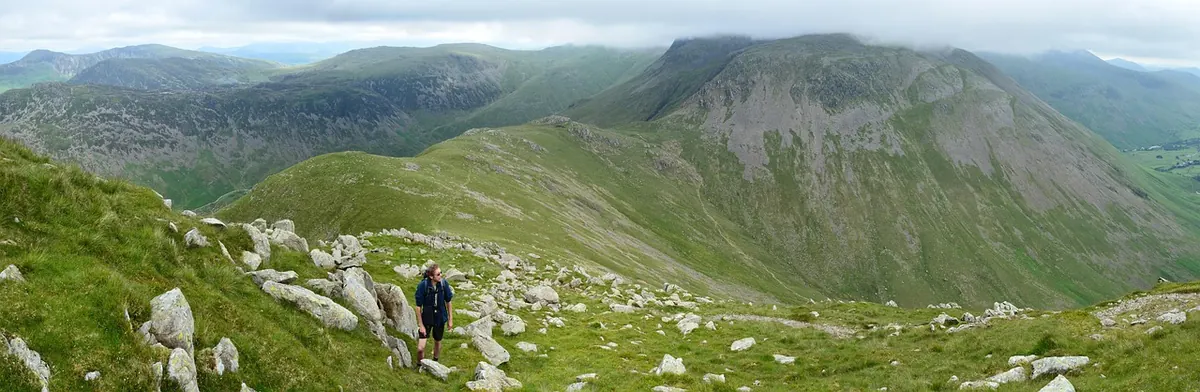
The Lake District is genuine mountain country, just on a small scale. Fells rise steeply from the valley floors, so a "short" day can mean 600 to 900 metres of ascent packed into a handful of kilometres. Paths are rocky, often pitched with stone, and the descents are punishing on untrained knees. Scafell Pike, at 978 metres, is the highest point in England, and Helvellyn's Striding Edge is a proper scramble rather than a walk. There are gentler options — Catbells, the Buttermere lakeshore, Tarn Hows — but the general rule is that the Lakes rewards fitness.
The Peak District is lower and wider. Kinder Scout, its best-known summit, reaches 636 metres, and the landscape changes character every few miles: gritstone edges such as Stanage and Curbar, limestone dales like Dovedale, and peaty moorland plateau in between. That plateau can be pathless and boggy, which means navigation matters even at modest height. The Peak rewards map-reading more than lung capacity. If you want to learn to use a compass properly, this is the friendlier classroom.
Crowds, and how to dodge them
Both parks get busy, but for different reasons. The Peak District sits within easy reach of Manchester, Sheffield, Derby, Nottingham and Stoke, so it takes the brunt of day trips. Dovedale's stepping stones, Mam Tor, Stanage Edge and Bakewell on a sunny Sunday are not places to seek solitude. The upside is that the crowds go home in the evening and thin out dramatically midweek, and the western moors stay quiet almost year-round.
In the Lake District, people stay. Ambleside, Bowness, Grasmere and Keswick fill up through July and August, at bank holidays and during school holidays, and the park draws visitors from well beyond the UK. The compensation is that half an hour of walking from any car park usually does the trick. Walk a mile up a valley path and the noise falls away.
Late spring and early autumn suit both parks best. In the Lakes, remember how far north it is: in midwinter, daylight can be gone by mid-afternoon, so plan short days and carry a headtorch.
Transport: the factor that decides most trips
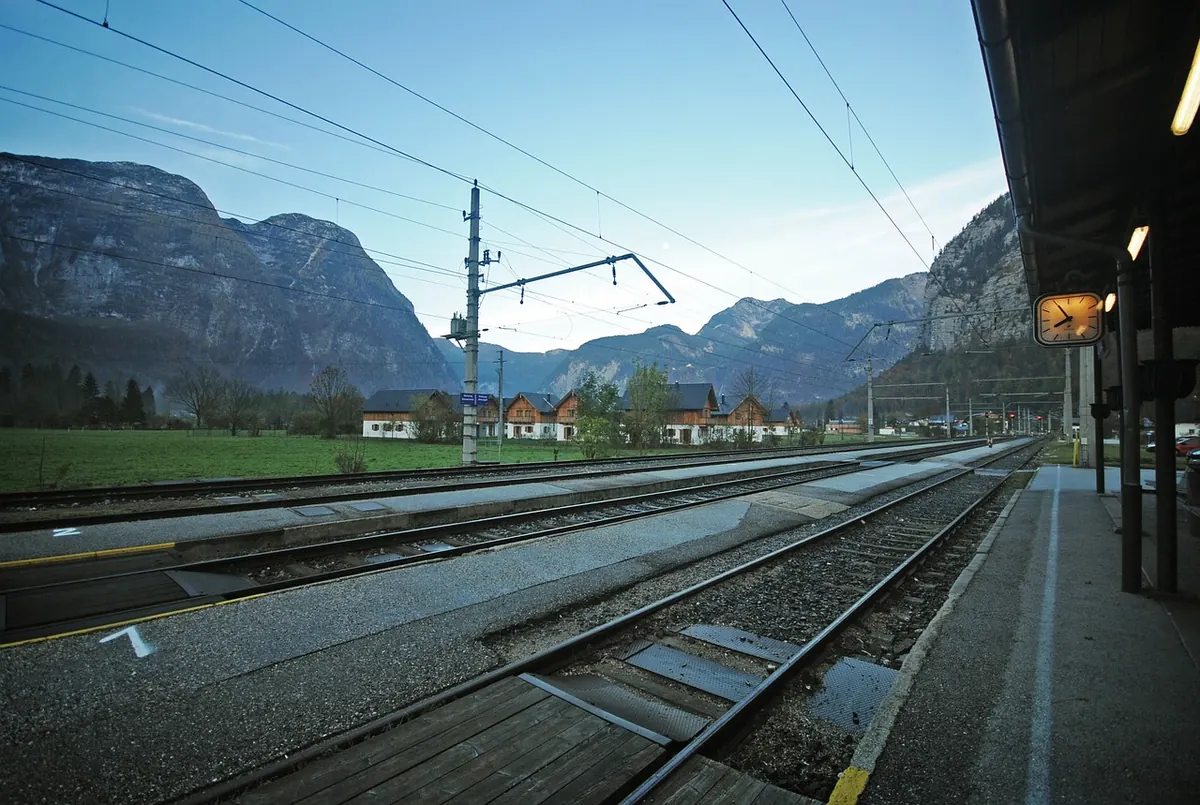
If you won't have a car, the Peak District wins comfortably. The Hope Valley line between Sheffield and Manchester stops at Grindleford, Hathersage, Bamford, Hope and Edale, with trains roughly hourly. From Edale you can step off the platform and be climbing towards Kinder Scout within minutes. Buxton and Matlock have their own stations, with buses running onward into the dales, and Manchester Airport is reachable by train with one change.
The Lakes are harder work without a car. Oxenholme, despite the name, sits a few miles from Kendal, and you'll need the Windermere branch line to reach the park properly. Penrith serves the northern fells. Buses — including the open-top 599 in summer — link Keswick, Ambleside and Windermere, but services are seasonal, sparse on Sundays, and a single missed connection can end your day early. Plenty of trailheads have no bus at all.
Good car-free bases include:
- Edale or Hathersage — train station, pub, and footpaths from the door
- Bakewell — buses, the Monsal Trail and Chatsworth within easy reach
- Windermere or Ambleside — train to Windermere, then buses along the valleys
- Keswick — walks straight from town, including Latrigg and Catbells
Accommodation and where to base yourself
The Peak District is compact enough to stay in one place for a week and drive or catch a bus to a different valley each day. Expect a good mix of pubs with rooms, farm cottages, independent B&Bs, hostels in Edale, Hathersage and Castleton, and plenty of campsites.
The Lake District offers a wider range but tighter supply. Popular towns book up months ahead for summer weekends, and bank holiday campsites fill fast. Hostels at Ambleside, Borrowdale, Buttermere and Elterwater are useful for keeping costs down, though you'll still want to book early. The Peak is more forgiving for late planners, outside peak weekends.
Which one suits your first trip?
Pick the Lake District if you want a proper mountain feel, you're reasonably fit, rain doesn't bother you, and you either have a car or are happy to base yourself in Ambleside or Keswick and use the buses.
Pick the Peak District if you want to arrive by train, you're still learning to navigate, you'd rather have shorter days with the option of bailing out to a village tearoom, and you're travelling from the Midlands or the north.
Put simply: the Peak District is the kinder introduction, the Lake District the more spectacular one. Neither will disappoint, and plenty of people start with one and spend the next decade exploring the other.
Planning your first walking holiday
- Choose a base with a station or a reliable bus service, so a change of plan doesn't strand you.
- Plan two shorter days and one longer one, and keep the longest day for the best forecast.
- Buy a paper map — OS Explorer OL1 or OL24 cover the Peak District, while the Lakes are split across several sheets — and learn to read it before you go.
- Check bus times before committing to a linear route; there's no point finishing a walk with no way back.
- Tell someone your route and expected return time, and carry a torch, waterproofs and spare layers.
- Book accommodation early in the Lakes, and slightly less frantically in the Peak.
If you have a medical condition, are recovering from injury, or are unsure whether a route is within your ability, speak to your GP or a qualified walking instructor before setting out. Building up gradually over a few weekends is the surest way to enjoy your first national park rather than merely surviving it.
Photo: BuyCustomThings / Pixabay