
Most bad days on a hill don't begin with drama. They begin with small, ordinary decisions: a rucksack packed for a fortnight, a map read at the wrong scale, a car park reached at two in the afternoon in November. Those little errors stack up, and by the time you notice, the weather has turned and the light is going. The reassuring part is that all of them are easy to fix. Here are the ten mistakes beginners make most often on UK footpaths, and what to do about each one.
Packing for a fortnight when you're out for a day
A 25 to 30-litre rucksack is plenty for a full day in most of Britain, and far less will do for a summer wander in the lowlands. The test is simple: if you have to lean forward to balance the load, or you can't lift the pack with one hand, it's too heavy.
The usual culprits are duplication and nerves. Two flasks of tea, three spare layers, a camera plus tripod, a first-aid kit the size of a shoebox. Ask yourself what you would genuinely use across eight hours of rain, and pack for that instead. Share a flask with whoever you're walking with. Leave the spare jeans and trainers in the car. Weight you barely notice on the flat becomes very noticeable after 400 metres of ascent.
Checking the forecast on Tuesday and trusting it
UK weather is not a settled arrangement, and mountain forecasts are less settled still. Read one the night before, then read it again in the car park before you set off, and be willing to change your plan on the strength of it.
Look at more than temperature. Wind speed and gusts decide whether an exposed ridge is enjoyable or genuinely risky. Cloud base and freezing level tell you whether the summit will be in view or in the murk. Precipitation probability and visibility decide whether to swap your planned route for a low-level one.
A valley forecast and a summit forecast can read like two different countries. Pack waterproofs regardless, keep your map in a plastic case, and put electronics in a dry bag. Have a plan B route in mind before you need it.
Misreading map scales, and the distance that follows
Scale catches out nearly every beginner at some point. On an Ordnance Survey Explorer map at 1:25,000, four centimetres on paper is one kilometre on the ground. On a Landranger at 1:50,000, that same four centimetres is two kilometres. Borrow the wrong map, or glance at the wrong corner of the legend, and your route is suddenly twice the length you had in your head.
Map distance isn't walking distance either. A path that wiggles through contours on paper can be considerably longer underfoot once you add bog, stiles, gates and the slow business of picking your way over wet rock. As a rough rule of thumb, allow an hour for every five kilometres, add an hour for every 600 metres of ascent, then add time for everything else. It's a guide, not a promise.
- Fold the map so the section you need is showing, and keep it in a case rather than at the bottom of your pack.
- Orient it to the ground with a compass instead of assuming north is up.
- Follow your progress using contour shapes and features, not just the line of the path.
- Note your start point and any useful escape routes before you set off.
- Carry paper as well as a phone. Batteries die and screens crack.
On the ground, paths sometimes fade into nothing, or split where the map shows one line. Landmarks that look obvious from the car park turn out to be one of four similar humps. Slow down, relocate rather than guess, and walk back to a known point if you're unsure.
Starting too late, then forgetting the descent
Setting off at eleven in the morning in June is perfectly reasonable. Setting off at eleven in December on a route that takes five hours is not. In midwinter in northern Scotland, daylight is fading by mid-afternoon, and a valley in cloud gets dark earlier still.
Work backwards from sunset instead of forwards from breakfast. Allow an hour of daylight in hand. Carry a head torch all year round; a phone torch is not a substitute, and you'll want both hands free. Decide your turnaround time in advance, say two o'clock at the summit, and honour it even if the top looks close.
Most injuries happen on the way down, when legs are tired and concentration drifts. Slow down deliberately, shorten your stride on steep grass, and use poles if your knees complain. Reaching the summit is halfway at best.
Turning up in the wrong clothes and untested boots
Jeans, a cotton T-shirt and a fashion jacket will get you up a hill. They just won't keep you warm once they're wet, and cotton loses most of its insulation when soaked. Wear a wicking base layer, add a fleece or synthetic mid-layer, and carry a waterproof shell with taped seams. Hat and gloves earn their place in the pack in every month of the year, along with one spare dry layer in a dry bag.
Boots or shoes need testing before the day that matters. Buy them a few weeks ahead, wear them on short walks, then longer ones. Choose wool or synthetic socks rather than cotton, and deal with hot spots the moment you feel them, before they become blisters.
If you have a heart condition, joint trouble or any long-standing health issue, or you're returning to hill walking after years away, it's sensible to have a word with your GP before committing to something demanding.
Going out without a safety net
Mobile signal in the hills is patchy, sometimes nonexistent, and always worse in the places you'd most like it. Before you leave, tell someone where you're going: the car park, the route, your expected return time, and what to do if you're not back. Agree in advance what time a missed check-in becomes worth acting on, so your contact isn't left guessing.
Keep your phone charged, warm and in airplane mode where there's no signal. Save offline maps before you leave the house. If you do need help, dial 999 and ask for the police, then for mountain rescue; a grid reference or an accurate location is far more useful to a team than a description of a distinctive tree.
Two other habits worth building. Check for ticks at the end of the day, especially after long grass or bracken, and remove any that have attached with fine-tipped tweezers. If you later feel unwell or notice a rash, speak to a pharmacist or your GP. And leave gates as you find them, keep dogs close around livestock, and take everything home with you.
The five-minute routine before you leave the car park
None of this takes long, and doing it consistently is what separates a pleasant day out from a memorable one for the wrong reasons.
- Recheck the forecast and the time of sunset.
- Confirm everyone has waterproofs, water, food, a spare layer and a torch.
- Set the map, mark the route and agree your turnaround time.
- Send your route and expected return to someone at home.
- Name the plan B, and where you'd turn back.
Get those five things right and the rest of the day looks after itself. You'll walk lighter, arrive in daylight, and spend your energy on the view rather than on the slog back to the car.
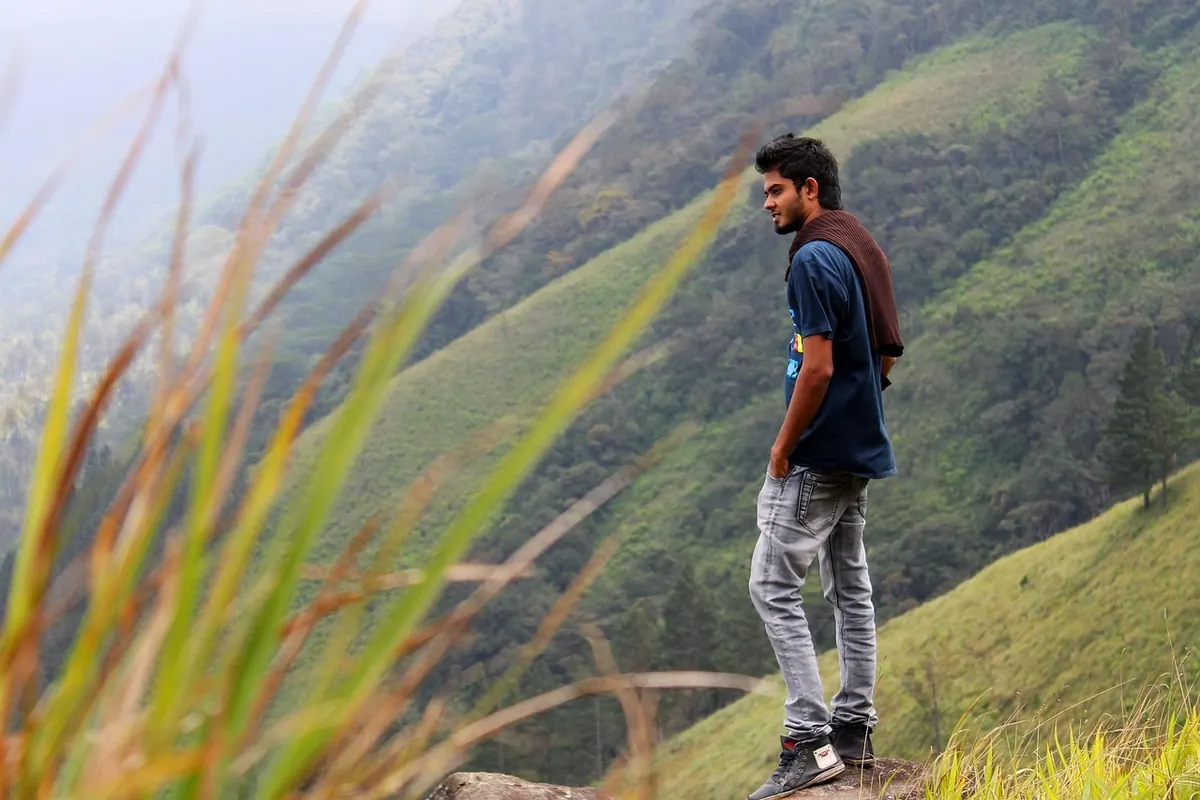
Photo: musthaqsms / Pixabay