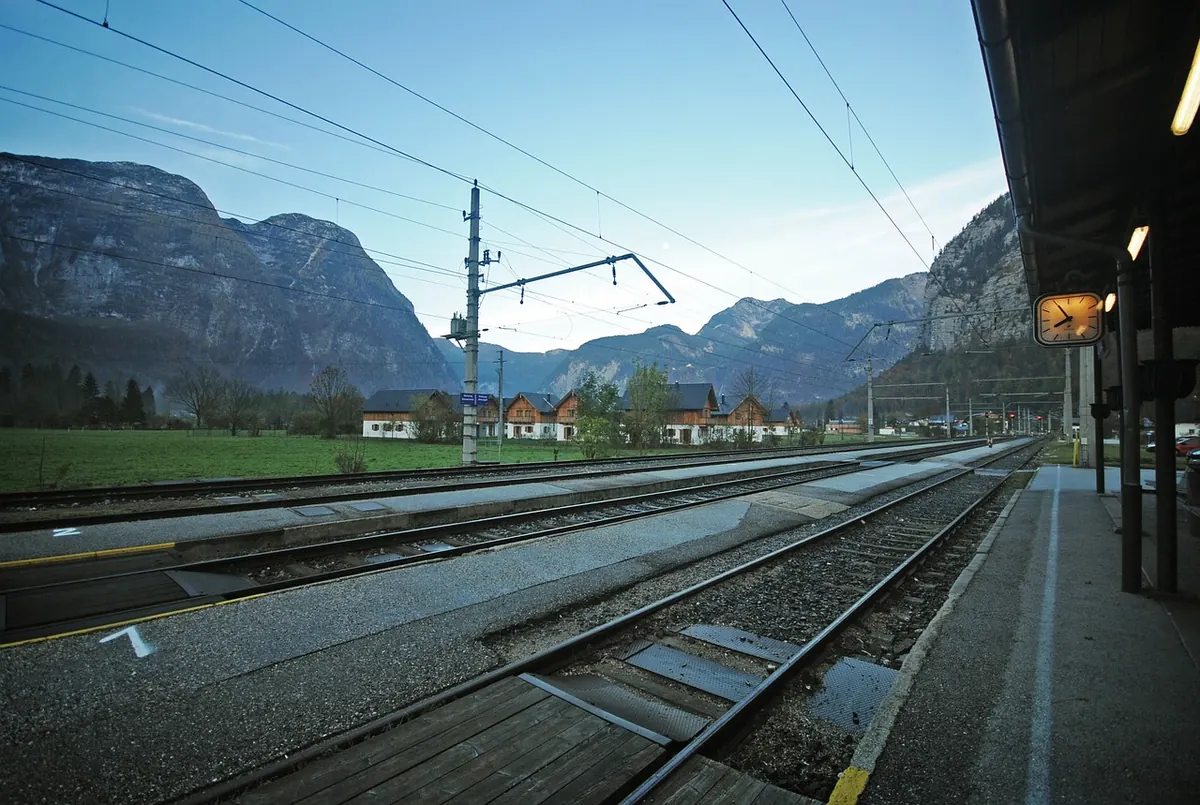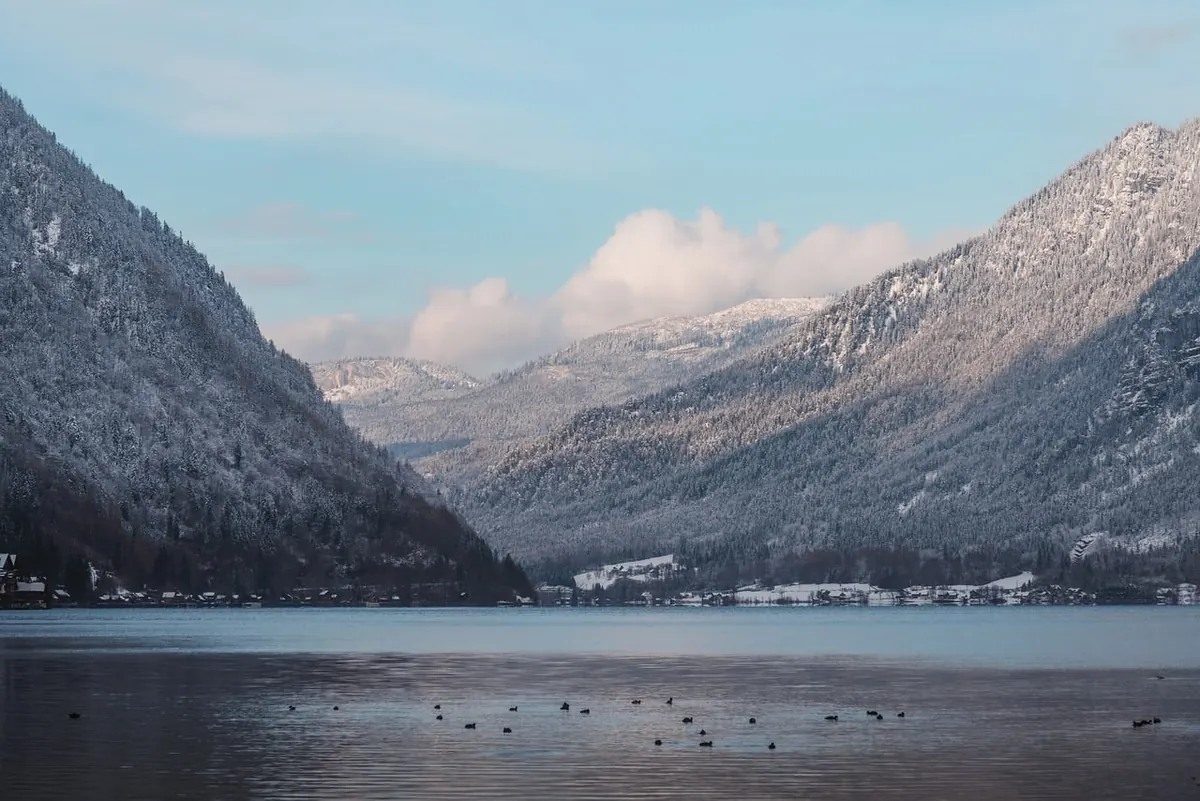

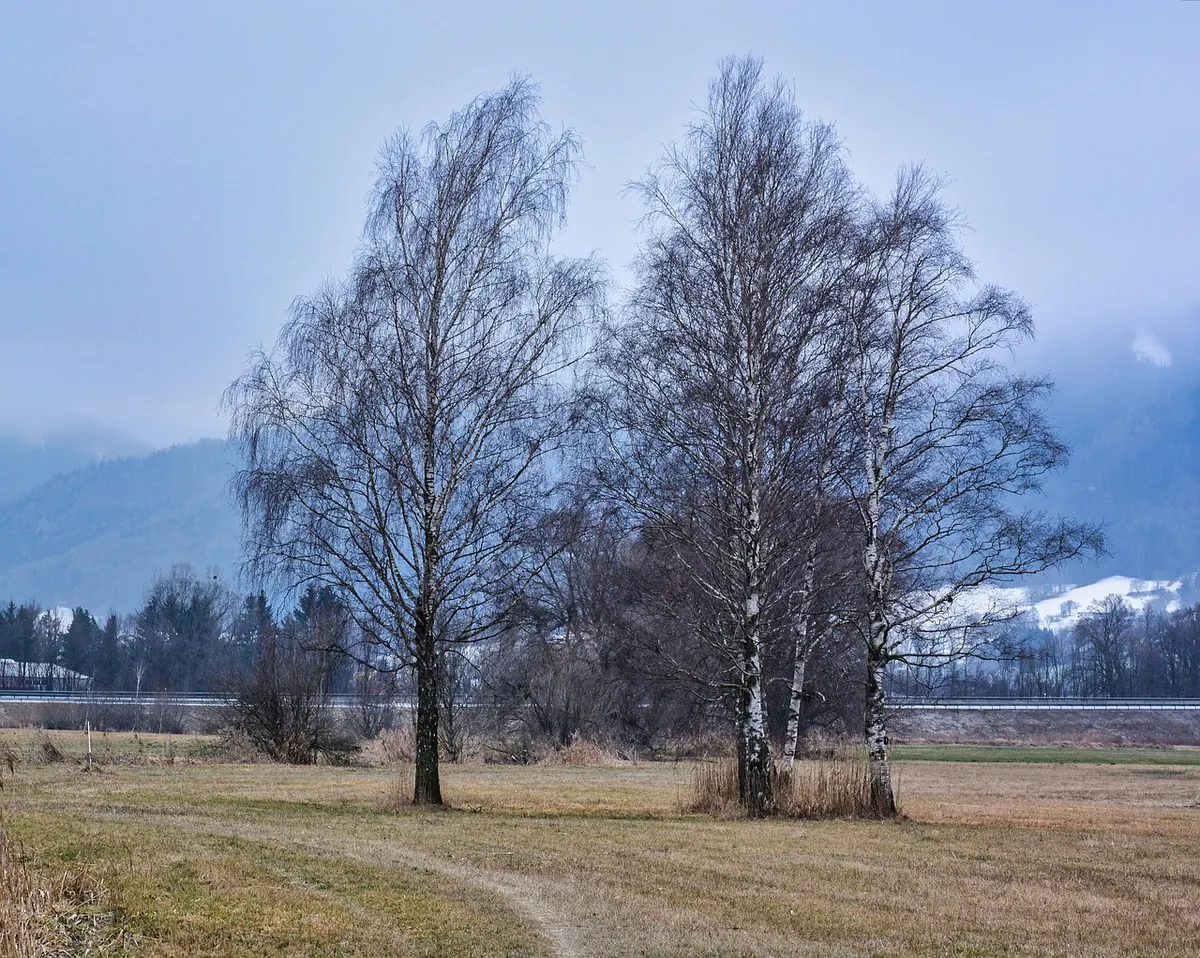
November gets a bad press. The clocks have gone back, the light is thin, and half the country seems to be scrolling through photographs of somewhere warmer. But the quiet is the point. Trails that were heaving in August are empty by mid-morning, estuaries fill with winter birds, and the pubs that stay open through the winter have the fire lit by three. Here are eight places that suit the month: low-level, low-fuss, and better for being out of season.
Make the Short Day Work For You
You are working with roughly eight to nine hours of usable light, and less the further north you go. By the end of November, sunset is before 4.30pm across most of the UK and before 4pm in northern Scotland. Morning light arrives late, too: in the Highlands a 9am start is close to first light. That is not a reason to stay indoors. It is a reason to plan the day properly.
- Set a turnaround time, not just a distance. "If we're not at the col by one o'clock, we drop into the valley instead" works better than any number of kilometres.
- Carry two lights. A head torch plus a small hand torch, or spare batteries. Darkness arrives fast under trees and on the wrong side of a hill.
- Take a paper map and compass. Signal is patchy in the Cheviots, mid-Wales and the Highlands, and cold flattens phone batteries.
- Wear boots with real grip. Wet leaves, mud, limestone and icy rock are the November hazards, not deep snow.
- Check the mountain weather forecast and river levels before you leave; lowland flooding closes lanes quickly at this time of year.
- Tell someone your route and expected return, and message them when you're back. In an emergency, call 999 and ask for mountain rescue.
Northumberland: Two Escapes on Empty Ground
1. Druridge Bay and the coast path
Seven miles of sand between Cresswell and Amble, dunes behind, and very few people on it. Walk the Northumberland Coast Path one way and arrange a lift, or do an out-and-back with the wind behind you on the return leg. Druridge Pools reserve is worth an hour with binoculars — wintering wildfowl and waders gather through November. Near Bamburgh, Budle Bay fills with geese and waders at high tide; the castle looks best from outside in low light, though it's worth checking winter opening times if you want to go in.
2. Ingram Valley and the Simonside Hills
The Breamish valley in the Cheviot foothills is quiet even in summer. From Ingram, a gentle track leads up to Linhope Spout, a short day that works in almost any weather. Simonside is the bigger proposition: heather, peat and genuine exposure above the treeline, with views to the coast on a clear afternoon. This is part of the Northumberland International Dark Sky Park, so if the cloud clears, stay out. Take a red-light setting for your torch and a flask.
Cumbria: The Valleys That Stay Quiet
3. Buttermere and Crummock Water
The lakeshore circuit of Buttermere is around seven kilometres — four and a half miles — and almost flat, which makes it the reliable choice when the cloud is down and the wind is up. Extend along Crummock Water if the day is generous. The parking at Buttermere is limited even out of season, so arrive before ten or use the Honister pass road with care; it can be icy.
4. The Duddon Valley
One of the quietest corners of the Lake District: no lake, few car parks, and a single road winding from Broughton-in-Furness towards Cockley Beck. Forest tracks above Seathwaite, the old packhorse bridge at Birks Bridge, and the option of the Walna Scar road if conditions are dry underfoot. Wrynose and Hardknott can close in ice, so be ready to change plans and walk from lower down.
Yorkshire: Swaledale in Low Light
5. Keld, Muker and the moor road
Bare ash trees, lead-mining ruins and waterfalls running fat after rain — Swaledale suits November. The Corpse Road between Keld and Muker is a fine short day, with the option of adding Gunnerside and the old smelt mill. The Tan Hill Inn, often billed as the highest pub in Britain, is a good place to end up if you don't mind the drive. Stone flags and limestone are slick when wet, so grip matters more than distance here.
Wales: Reservoirs and an Empty Border Ridge
6. The Elan Valley
Dams, viaducts and gravel tracks that work as well on a bike as on foot, all within an hour of Rhayader. The estate holds dark sky status, which makes clear November evenings worth planning around. Red kites gather nearby — check current feeding times locally, as they change with the season.
7. The Black Mountains and Llanthony
Start at Llanthony Priory, where the ruins are open to wander, then either climb onto the Hatterrall ridge on the Offa's Dyke Path or keep things low along the Honddu. The Gospel Pass road between Hay-on-Wye and Llanthony is exposed and can be icy; the valley routes stay usable in almost anything. Capel-y-ffin makes a good turning point.
Scotland: Pinewoods and Very Short Days
8. Rothiemurchus and Glen Affric
Base yourself around Aviemore. The circuit of Loch an Eilein is a gentle introduction to the Caledonian pinewood, where red squirrels and crested tits are more visible once the leaves are gone. Glen Affric offers something bigger, but plan for four or five hours of walking rather than eight, and carry a head torch from the start. Whooper swans and greylag geese arrive through the month, so take binoculars for the lochs.
What Stays Open — and What to Check
- Houses and gardens: many National Trust and National Trust for Scotland properties close their houses in early November, and some gardens shut altogether. Parkland, coast and open countryside generally remain accessible; check the website the day before.
- Campsites: plenty close after October half-term. A good number stay open year-round, often with hardstanding pitches and a shower block, but ring ahead rather than turning up. Bunkhouses, hostels and bothies fill the gap; bothies are free, unbookable and shared, so leave them tidier than you found them.
- Visitor centres, cafes and car parks: expect winter hours, early last orders, and some toilets locked. Download any parking app before you lose signal.
- Pubs with rooms: the dependable winter base. Book weekend nights in walking country, where the good ones fill up.
- Ferries, passes and mountain roads: check the day before and again on the morning. Ice and wind close routes with little warning.
None of this needs heroics. A waterproof, a flask, a head torch and a route you are willing to shorten will cover most of these days out. If you are heading onto higher ground, treat it as a winter outing: check the forecast, carry spare batteries, and be honest about how much daylight you have left rather than how much you think you have. November gives you the quiet version of places you thought you knew. Start promptly, finish before the light goes, and save the summits for spring.
Photo: Antranias / Pixabay